
 Start Read
 Recommend
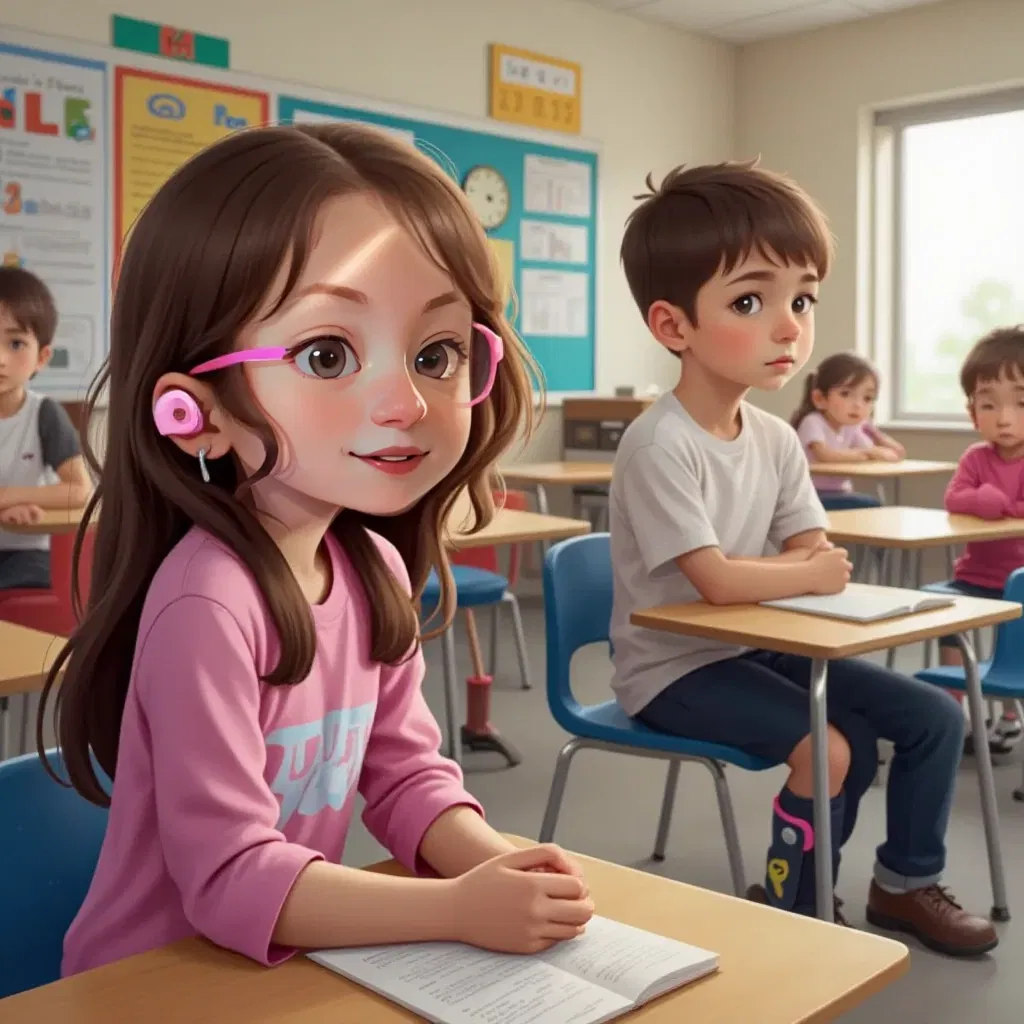
A story of how God creates differences. An unique explanation of autism to children who don't understand.
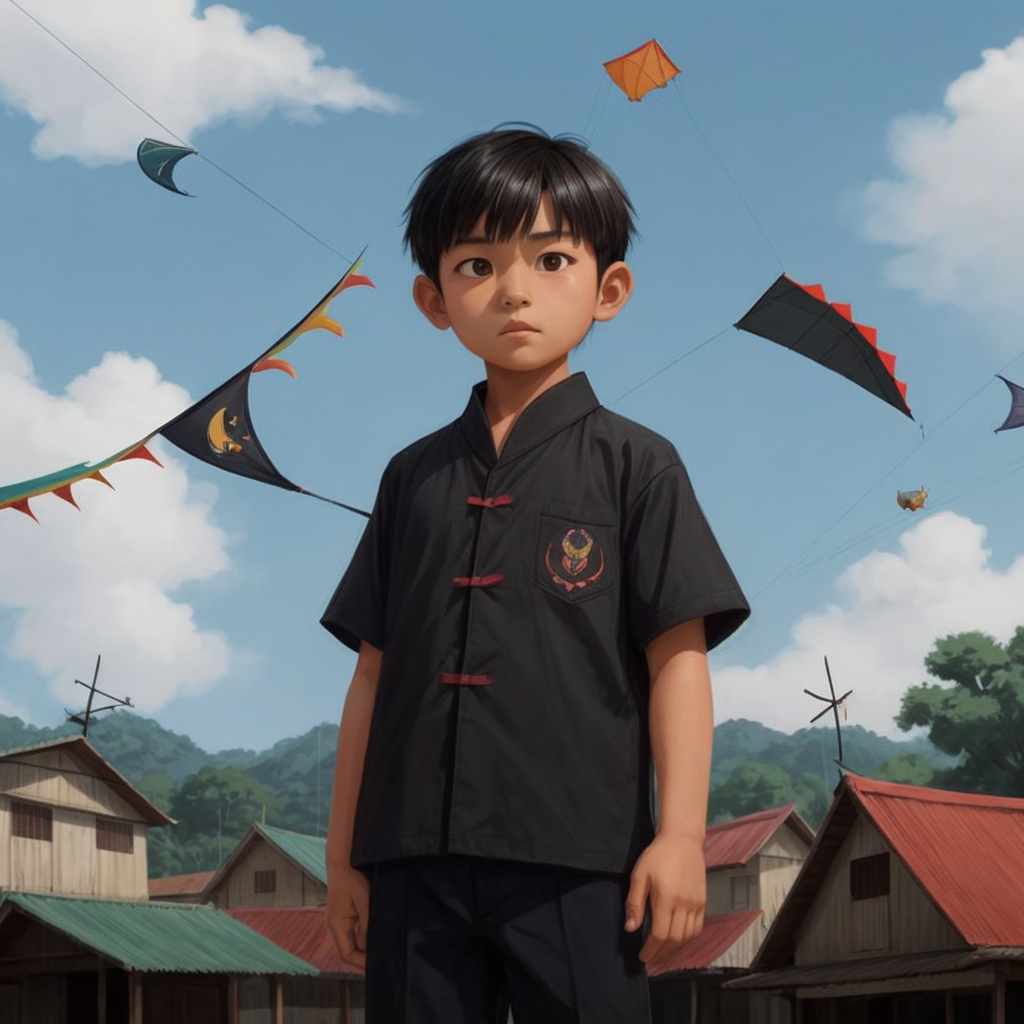
In a traditional village in Kelantan, lives a young man named Izzat. Izzat grew up in a family that likes to inherit the traditional art and culture of Kelantan. When his late grandfather, Tok Wan who was a great kite maker died, Izzat felt all wrong and determined to continue the legacy left by his grandfather.
Ophelia takes her dog Presley on a walk with her mom's Tashonna and Savannah
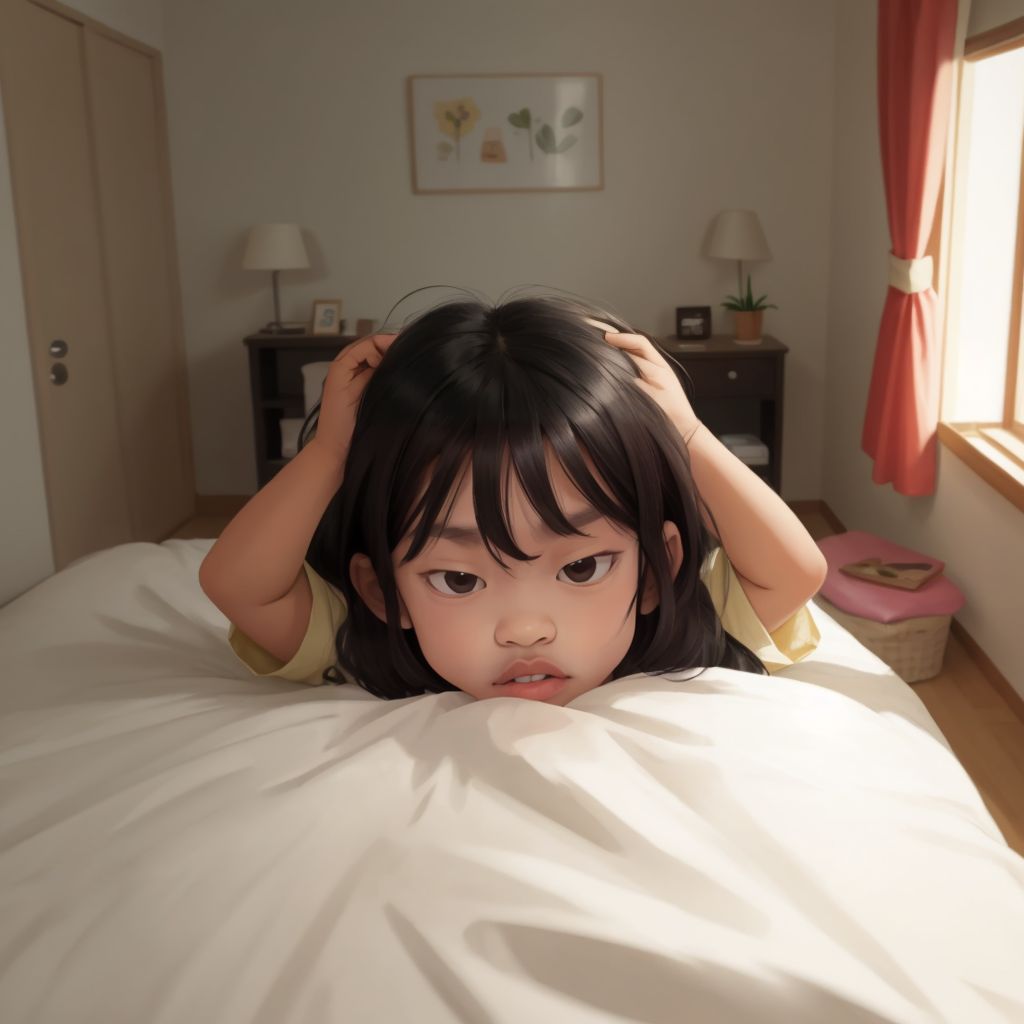
It was Yuries birthday, Her mom Zooey had arranged a birthday surprise. Her best friend Riina was also in on it. Yurie had no idea. It happened on a saturday morning at yuries home. It was a surprise birthday party. It was Yuries first surprise birthday party ever. Yurie lives in Japan
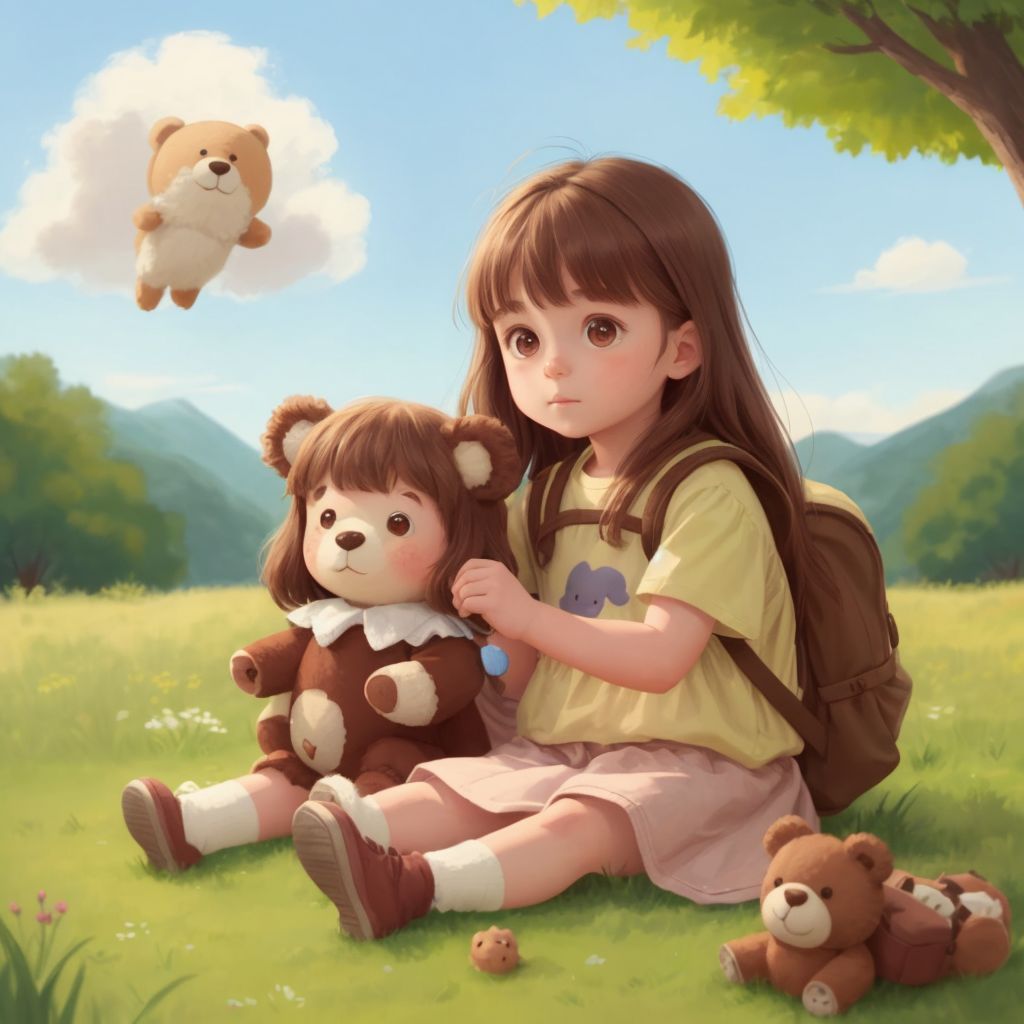
A jounrey of a child and their teddy going on an adventure
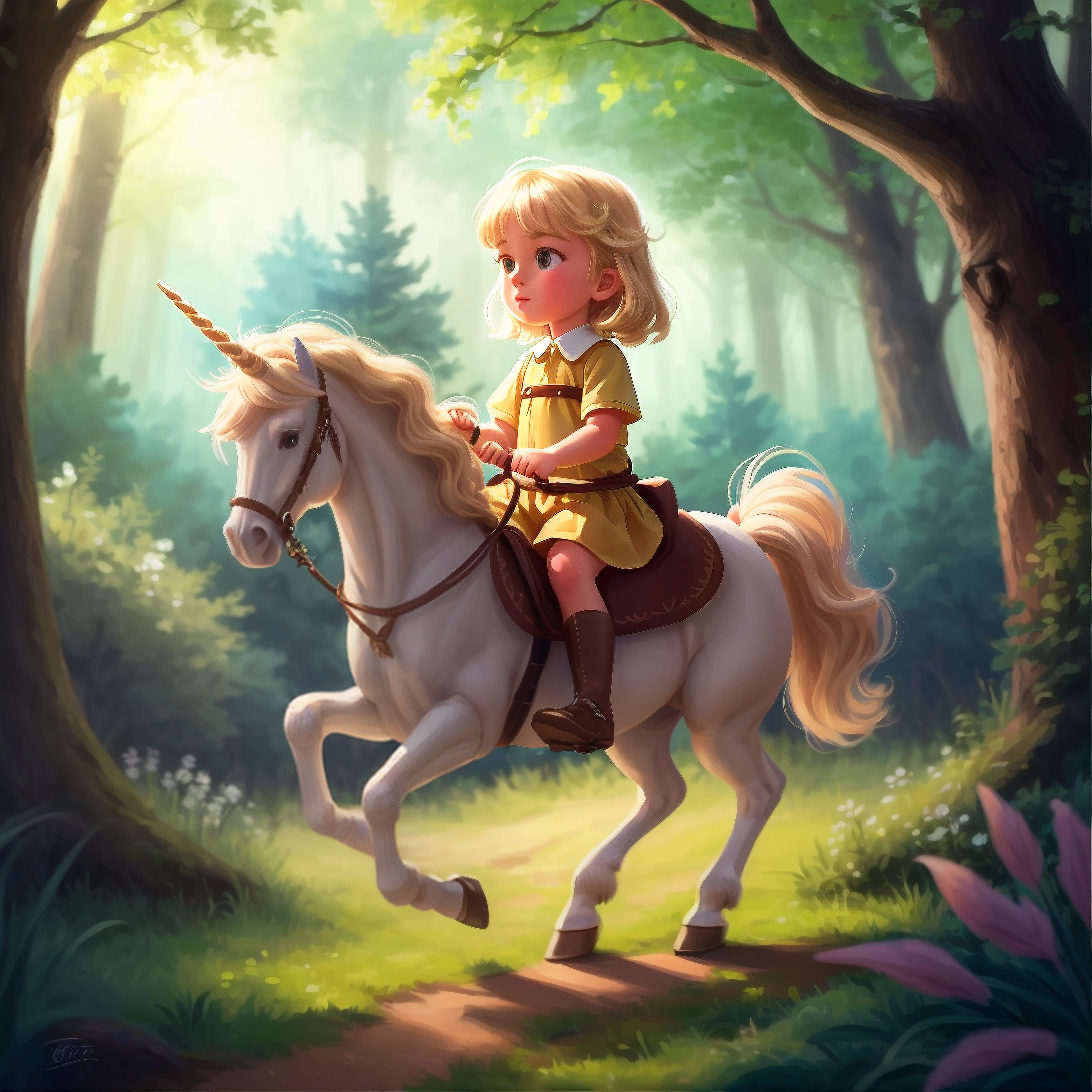
Brooklyn is riding her unicorn Through the forest and she meets a fairy. the fairy needs help Because an evil witch is holding her polar bear friend captive. The fairy sprinkles Brooklyn and her unicorn with fairy dust shrinking Brooklyn and her unicorn down and turning Brooklyn into a fairy and the unicorn into an alacorn. They create a plan to save the polar bear from the evil witch. They all go to the ferry's village and celebrate
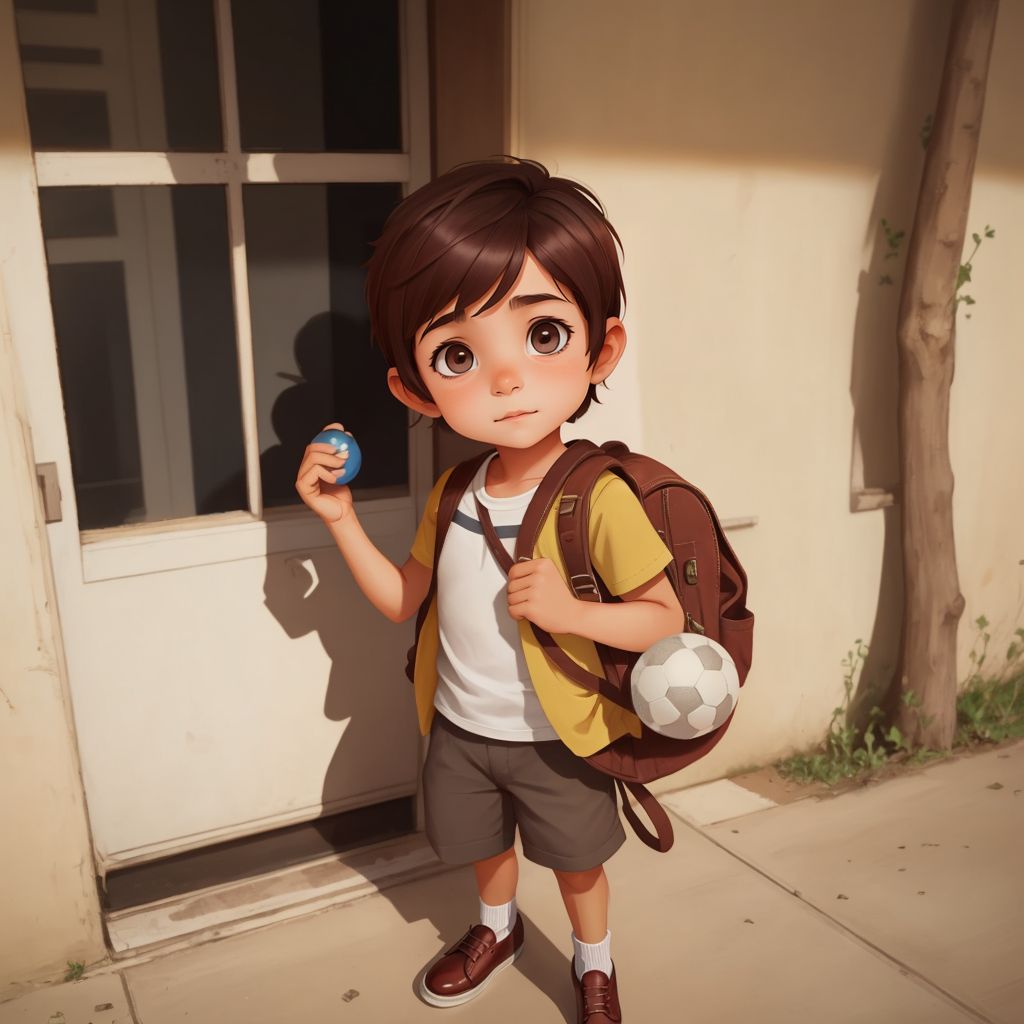
Pheobe's first day of school. She was excited to go to school with her new backpack and shiny new shoes. She decided to bring her favorite anxiety ball to keep her calm throughout the day. She lost her anxiety ball. Had to go through a whole school day of problems without her anxiety ball. Some kids helped her look for her ball. They never found it.Teacher found it at the end of the day behind the door. teacher gave it back to her.
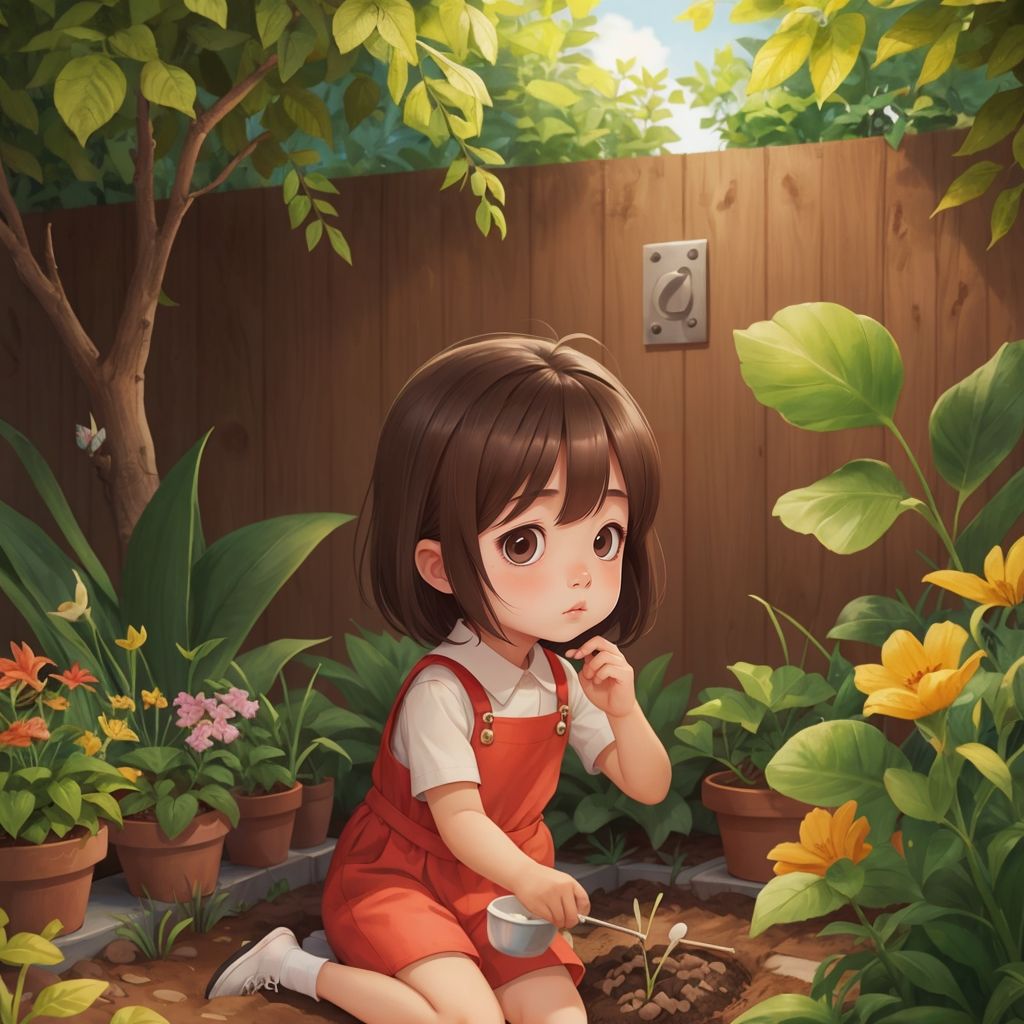
A little girl named Emma plants a small seed, and despite doubts from her friends, she believes it will grow into a beautiful tree. Through her faith, the seed grows into the biggest, strongest tree in the garden, teaching the importance of believing, even in small things.
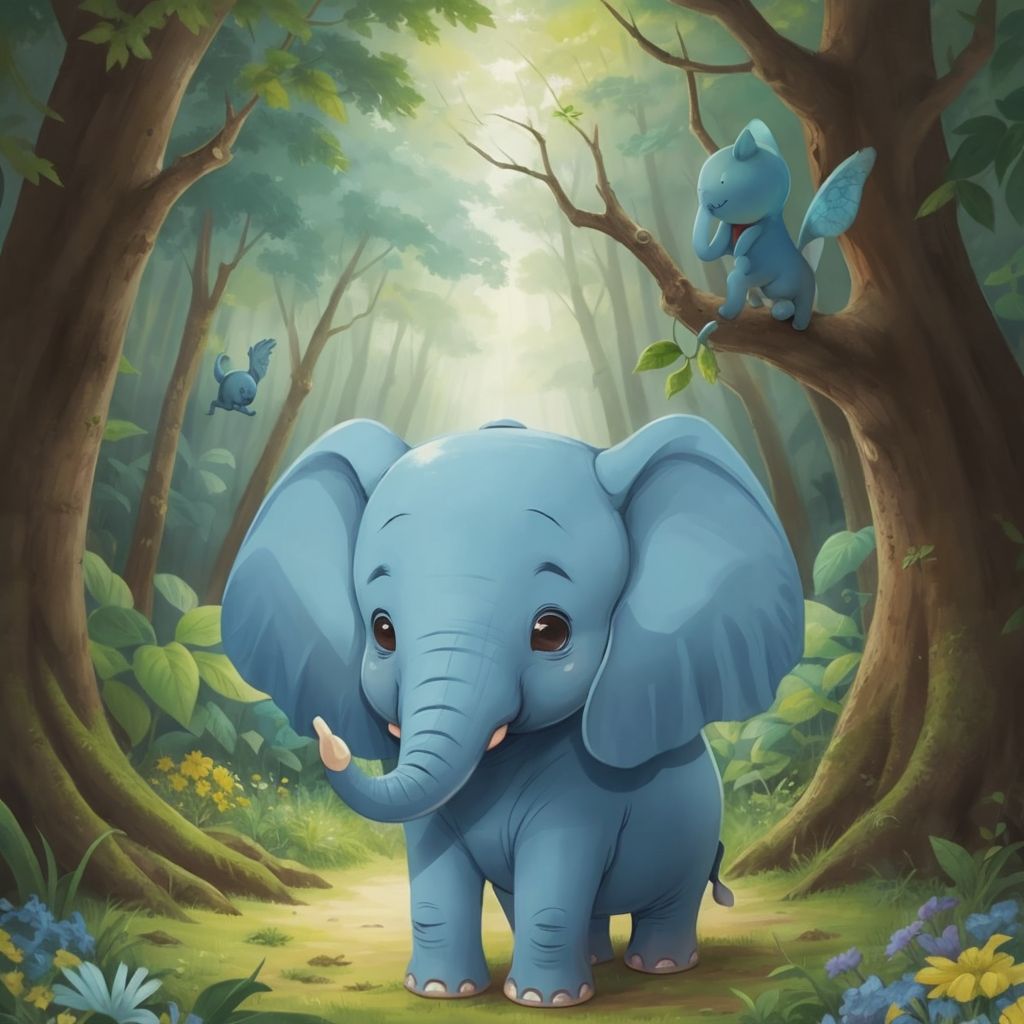
Ellie the elephant learns that the differences between her and her friends makes each of them unique. She discovers the importance of being different from one another and that individualism creates a world full of vibrant life her friends are,a zebra and tiger takes place in a jungle/forest
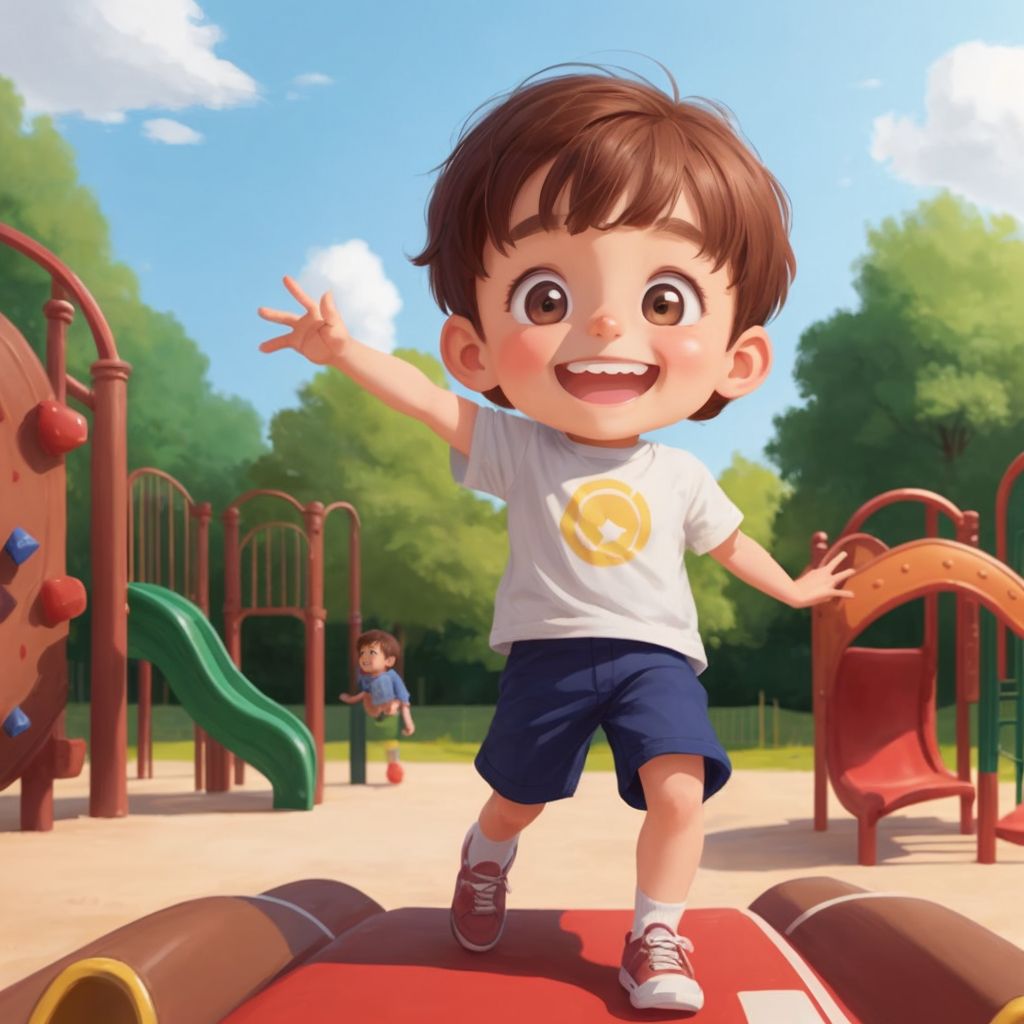
A 5 year old boy named James was having fun at recess. He was sliding down the slide and hurt himself. A 5 year old boy named trey saw that he was hurt and started to laugh and walked away. Trey looked over to James and pictured himself in James shoes. He thought about being hurt and something not helping him and just laughing. Trey walked over to James and told him what he thought about. James forgave him. Then they both slid down the slide and were friends!
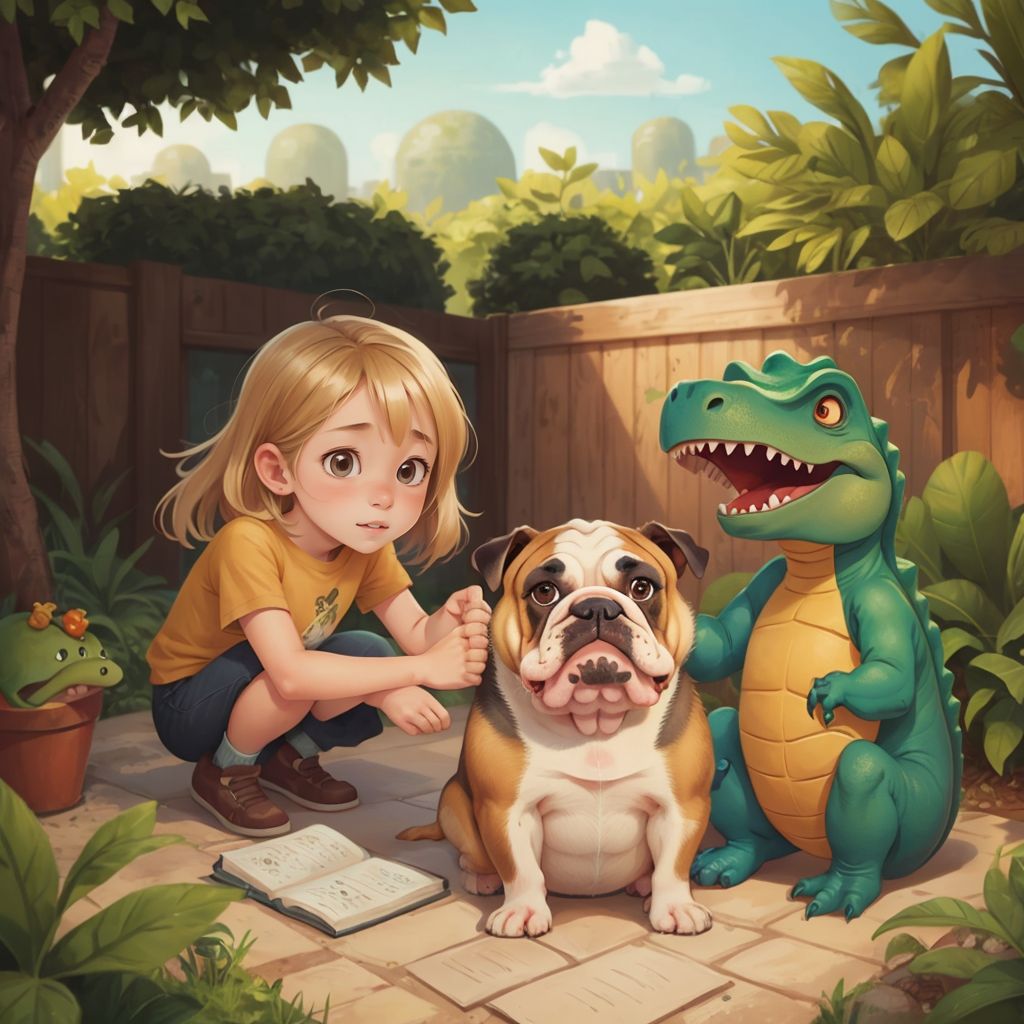
In a magical forest, a brave girl named Lily, her loyal dog Max, and a friendly dinosaur named Dino discover a mysterious map.
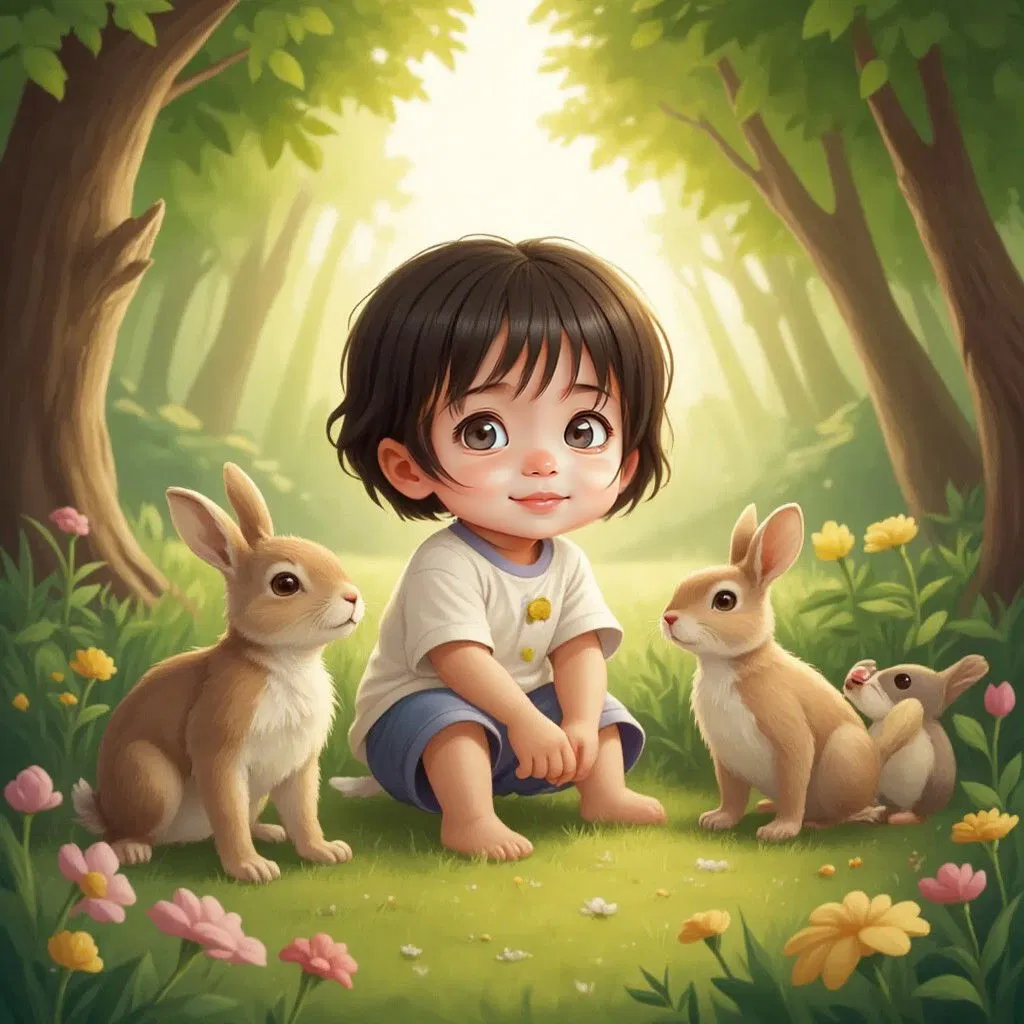
Adam helps his animal friends
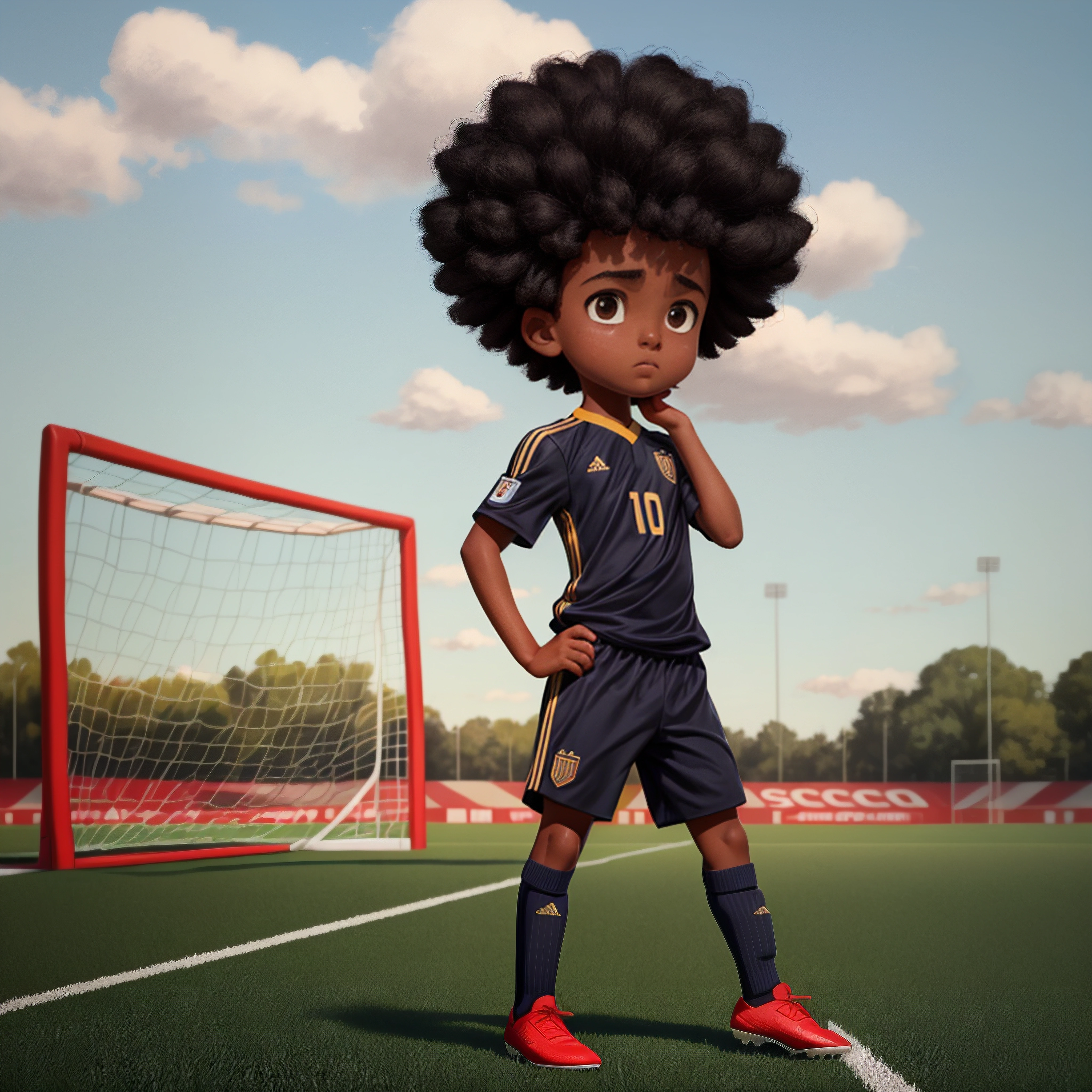
Jake loves to get down and dirty to play soccer but his scalp is always itchy afterwards. After learning about hygiene he started washing his hair and realized washing his scalp stops the itching and he can now run free and play soccer without getting itchy.

Hello this is Penelope pug She loves to give her friend Bruce all the hugs One bright and sunny day Penelope pug went outside to play Penelope put her purple sunglasses on her face Asked her friend Bruce if he wanted to race They took off chasing each other down the lane When all of a sudden it began to rain There’s no way this was going to be the end Nothing is more important than being with a good friend The rain would never keep each other away Between the two of them there was always a lot to say Together they stood paw to paw Looking up not believing what they saw A perfectly beautiful rainbow in the sky Saving them from having to say goodbye
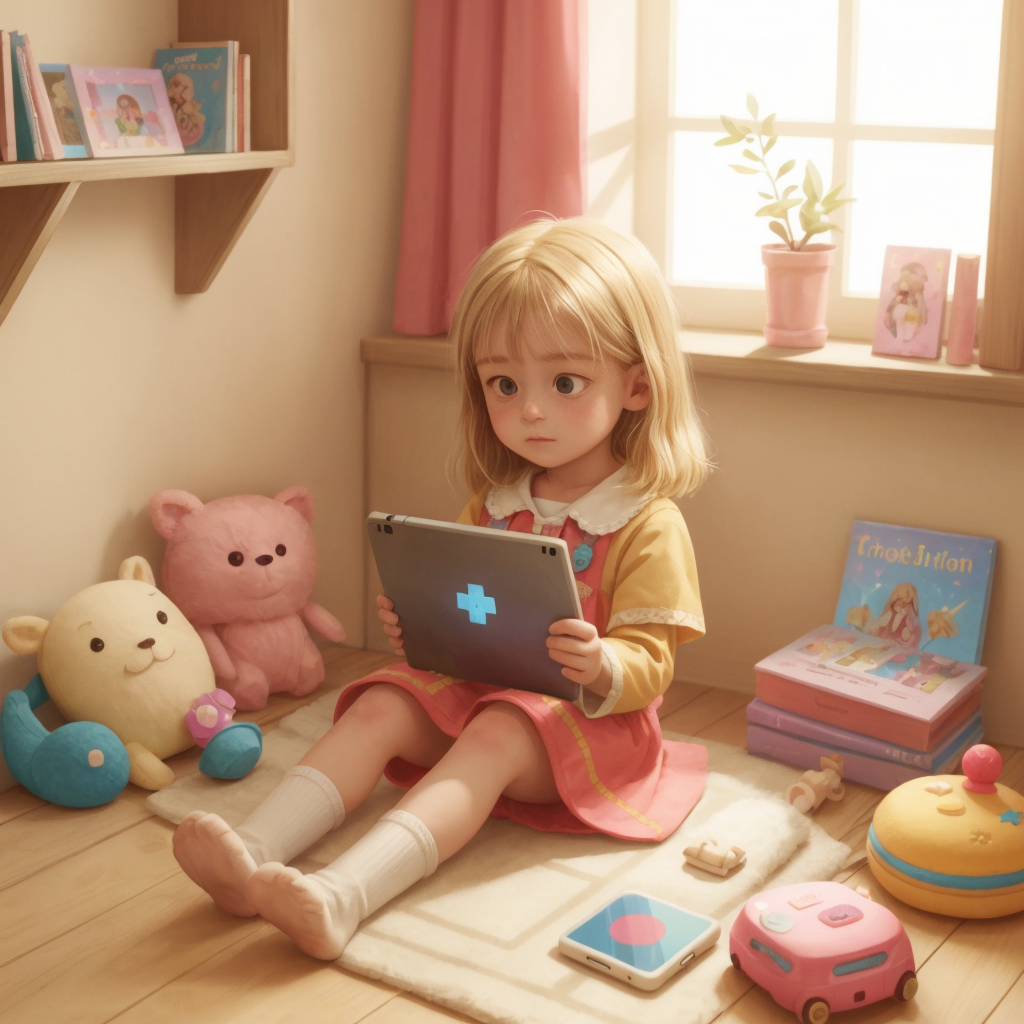
"Emmaline's Escape to Reality" is a poignant narrative that explores themes of self-discovery, mindfulness, and the enchantment found in the simplicity of the present. The story invites readers to reflect on their own relationship with technology and consider the profound beauty that exists when one looks up and embraces the richness of reality. Emmaline's journey becomes an inspiring reminder that sometimes, the most magical experiences are the ones waiting just beyond the screens we hold so dear.
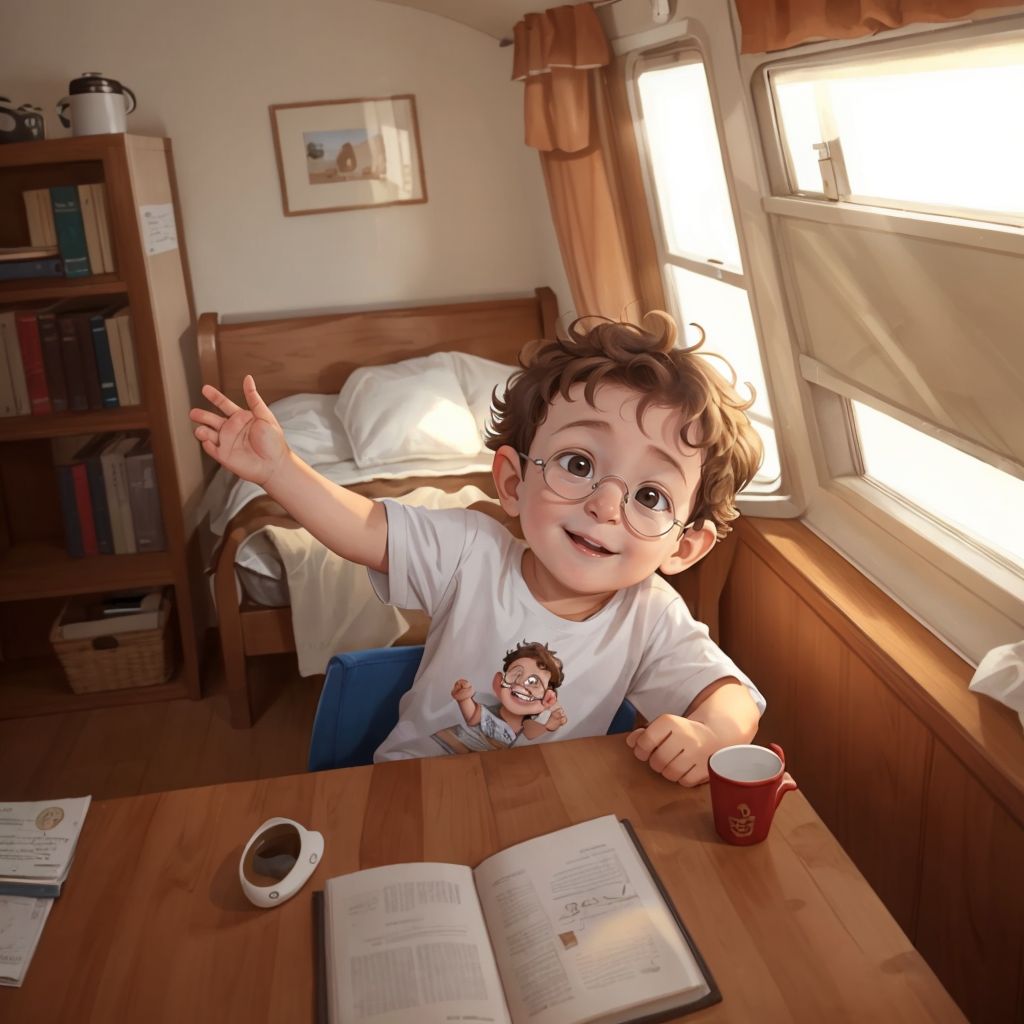
Arley plays golf in his back yard

Aqma walks to the park near his house with excitement. He wants to practice his new football shooting technique so he can become a great footballer like Cristiano Ronaldo. “Alright! Today I’ll get better and closer to my dream of being a footballer!” Aqma said to himself, holding his ball tightly. When Aqma arrives at the park, he looks up at the clear sky and smiles. As he lowers his hand, he notices a girl sitting alone in the gazebo. “Who’s that girl? I’ve never seen her here before,” Aqma wonders. As Aqma practices, he feels uncomfortable. He isn’t used to being watched, especially by a girl. “Come on, Aqma! You’re a man, don’t be shy,” he mutters to himself. He glances at the girl again, and to his surprise, she is watching him too. Aqma becomes even more distracted. Aqma gathers his courage and walks toward the girl. Rina, feeling shy and unsure, looks at him as he approaches. “Hi, my name is Aqma. What’s your name?” Aqma asks with a smile. The girl stays quiet for a moment, then softly replies, “Umm... Rina. My name is Rina.” “Hello, Rina! If you don’t mind, would you like to play football with me? Just for fun?” Aqma asks cheerfully. Rina shakes her head. “I’m sorry, Aqma. I can’t play football.” “Don’t worry! I’ll teach you!” Aqma insists. But Rina lowers her face and says quietly, “It’s not that... I can’t walk properly.” Aqma is confused a bit and then notices the walking stick behind her, “Oh," Aqma feels sorry and says softly, “I’m so sorry, Rina. I didn’t know...” Rina smiles a little. “It’s okay, really.” Suddenly, Aqma has an idea. “Hey, Rina! What if you become my coach?” “Me? How?” Rina asks, surprised. “You can help rate my skills and tell me how good my shots are! just like a real coach!” Aqma says excitedly. Rina smiles brighter. “Okay, my dads often tell me about Cristiano, so I understand a bit about football”. “Really? You know Cristiano too? Aqma surprised. From that day on, Aqma and Rina meet at the park often.
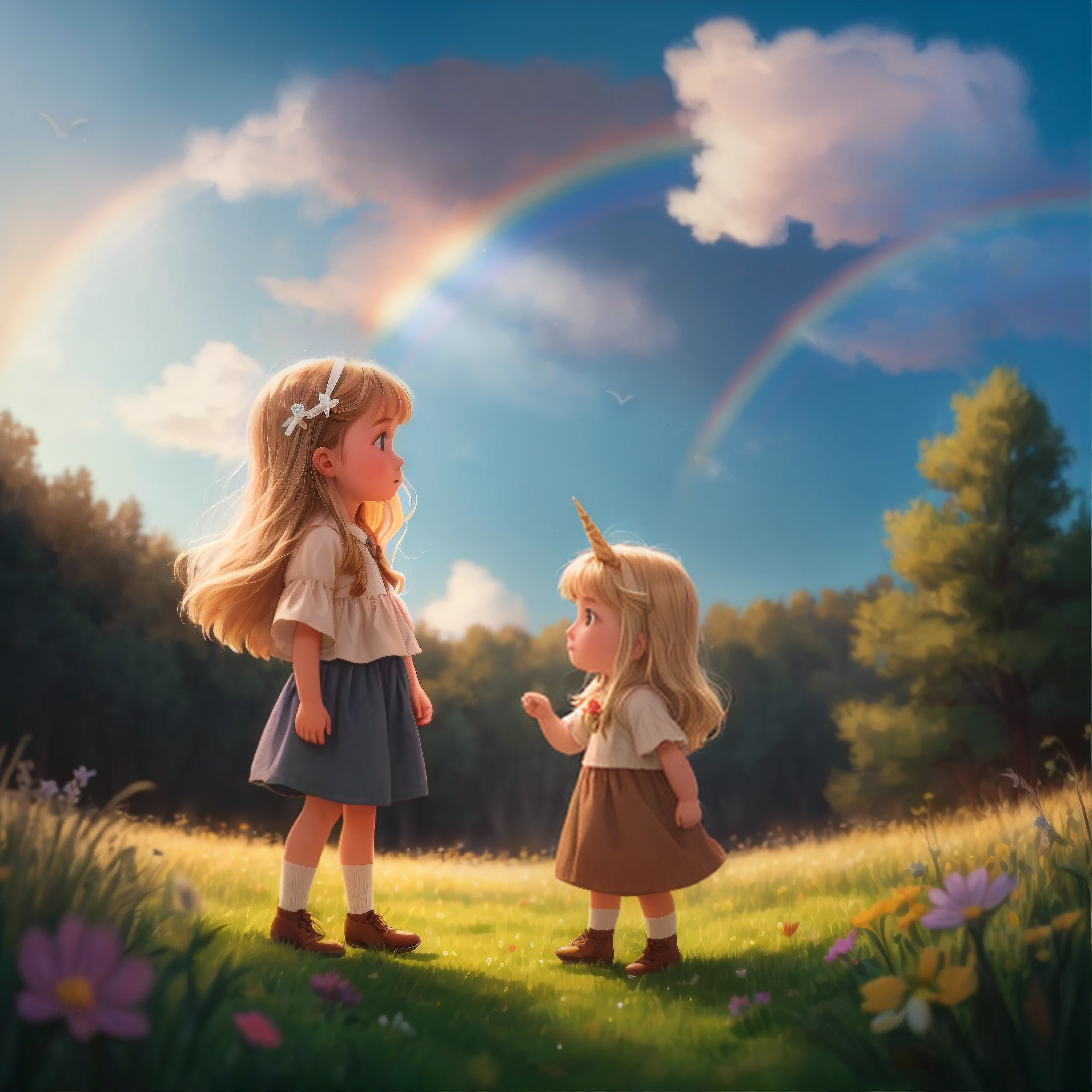
Twin girls who explores the worls riding a unicorn and meet many different animals
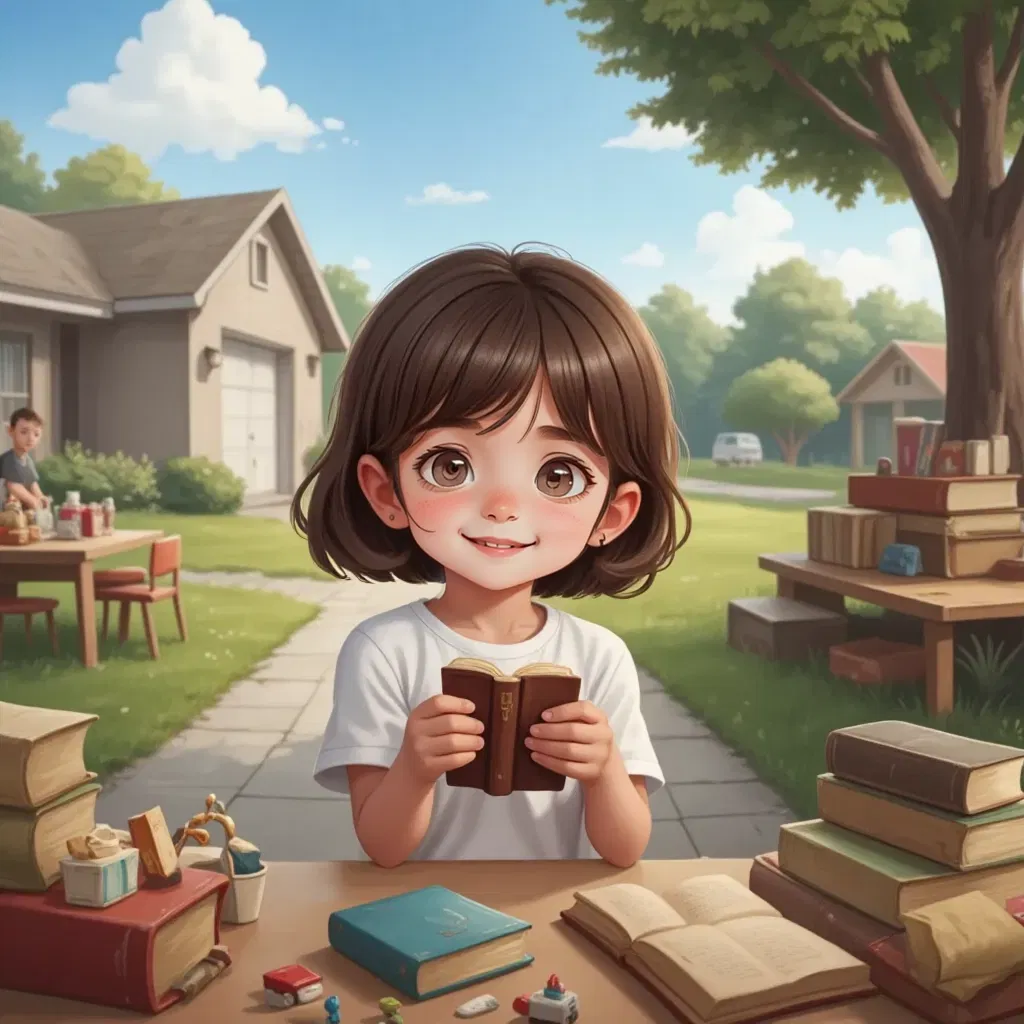
A young magician discovers an ancient spellbook, unleashing a world of magic and unexpected surprises.

Once upon a time, in a dense and mysterious forest, there lived a lone bear that had only one leg. He lost his leg in an accident, and since then his life has changed dramatically. The bear was so deeply affected by this tragedy that he fell into deep sadness and despair, not knowing how to find meaning in life and joy in every day. Every time he passed by his friends, he felt isolated and inferior, because the other bears could jump and run freely, but he remained on the sidelines. On one of these sad days, he heard from the forest dwellers about a magical tree that had incredible power and could fulfill any wish. This news lit a spark of hope in the bear's heart, and he decided that he should try to find this tree. He set off on a long and difficult journey, overcoming dense thickets and steep slopes, and his courage led him to his goal — to a magical tree. When the bear finally approached this magical creature, he saw that